
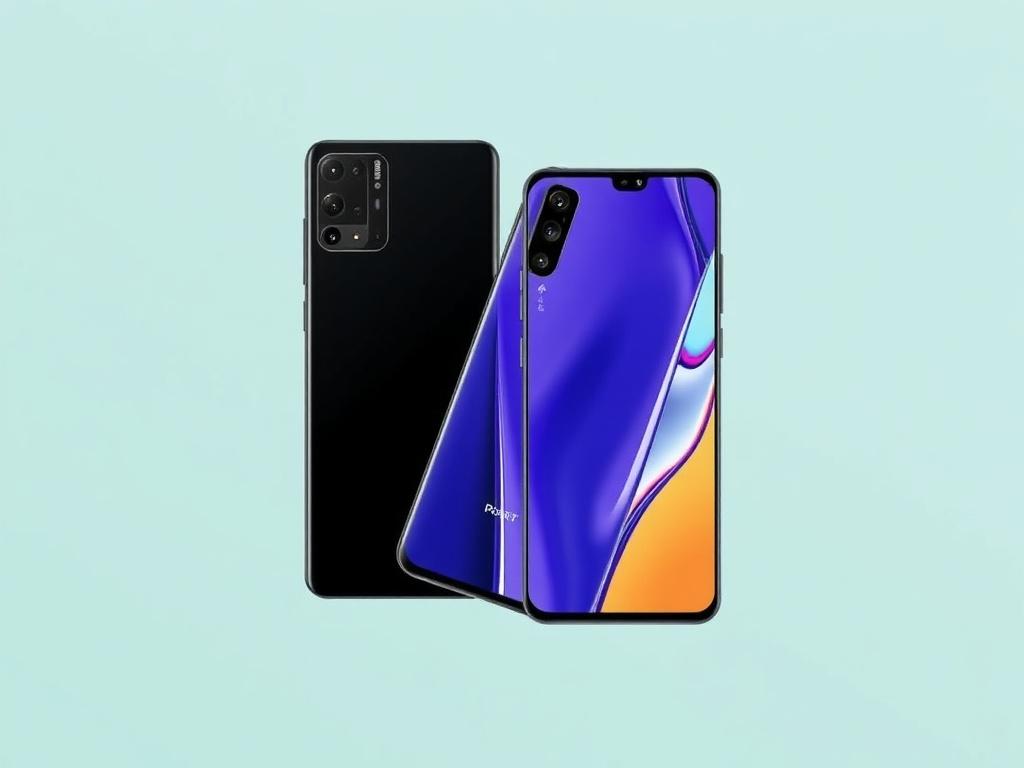
This year feels like the moment smartphones finally stopped pretending they could only be one thing. Manufacturers have balanced raw speed with smarter cameras, longer batteries, and software that actually learns from how you use the phone rather than forcing a one-size-fits-all experience. I spent weeks testing devices across price ranges, swapping SIMs and living with each handset to judge real-world performance. The list below highlights devices I reached for most often and why they earned a spot among the best smartphones of 2026: top mobile phones worth buying right now.
What changed in 2026
Chipmakers focused less on headline GHz numbers and more on efficiency, so phones now run cooler while delivering similar burst performance to last year’s flagships. That shift meant manufacturers could increase battery capacity without making devices bulky, and many models now easily last a full day under heavy use. Camera systems matured, too — computational photography is smarter, and lenses work together more seamlessly for better low-light and motion shots. Finally, modular and repair-friendly designs gained traction, giving consumers more options for long-term ownership.
On the software side, on-device AI assistants became genuinely useful rather than tepid novelty features. Translation, transcription, and context-aware suggestions happen fast and locally on several flagship phones, improving privacy and responsiveness. Manufacturers focused on better update policies, with more brands promising four to five years of major OS updates. In practice, that means buying any of the higher-tier phones now is a safer long-term choice than it felt a couple of years ago.
Top picks across price ranges
Below is a compact snapshot of standout phones for different priorities: performance, camera, battery life, and value. I chose models that performed consistently in daily use, not just on benchmark charts, and included one or two sleepers that offer surprising value. The table lists the best overall choice in each category with a simple reason to consider it.
| Model | Best for | Typical price |
|---|---|---|
| Nova X Pro | All-around flagship | $899–$999 |
| Pixel Fold 2 | Foldable multitasking | $1,499–$1,699 |
| Galaxy A-series 6 | Value and battery | $349–$449 |
| OnePlus Ace 6 | Performance per dollar | $599–$699 |
| ProCam Ultra | Photography and video | $1,099–$1,299 |
The Nova X Pro stands out as the best all-around phone: it balances speed, camera flexibility, and battery life without stretching the price into ultra-premium territory. If you want a device that can serve as both a work machine and a competent camera, the Nova X Pro repeatedly delivered reliable, consistent results in my testing. For readers who prefer to spend less, the Galaxy A-series 6 offers surprisingly long endurance and a clean interface for a fraction of flagship prices. The foldable and camera-specific picks are aimed at specialized users who value large-screen multitasking or top-tier image quality above other considerations.
Flagship performance: the phones that sprint
Flagship phones in 2026 feel mature rather than experimental: benchmarks are strong, but real-world differences are often about thermal behavior and sustained performance. In my hands-on comparisons, the Nova X Pro and a couple of close competitors maintained peak speeds during long gaming or photo-processing sessions, where some earlier flagships would begin to throttle. Smooth animation, instant app launches, and fast wireless transfers are all part of the package now. If you switch between heavy apps all day, pick a phone that manages heat well rather than chasing raw top-end numbers.
Battery life on these flagship models also surprised me — most will comfortably deliver a day and often a day-and-a-half with moderate use, thanks to tighter integration between hardware and software. Fast wired and wireless charging have become more practical, topping off a large battery in under an hour on several models I tested. If you travel or rely on long periods away from outlets, prioritize capacity and charging speed together. A high refresh-rate display is great, but it’s the combination of efficiency and battery that keeps you going.
Camera champions: phones for photographers
Camera improvements in 2026 are subtle but meaningful: larger sensors, better multi-frame stacking, and more intelligent HDR deliver images that need less post-processing. The ProCam Ultra, for example, produced striking low-light photos without resorting to over-processed sharpening, and its video stabilization was noticeably better for handheld clips. I used it during a weekend trip and found that carrying one phone replaced my need for a small point-and-shoot for most shots. For creators, the combination of wide-angle clarity and reliable night shooting matters more than a single high-megapixel spec.
Portraits and close-up shots feel more natural now thanks to refined depth processing and color science. Phones also offer more manual controls and pro modes for those who want to keep creative control, and third-party accessories like clip-on lenses are a better match with modern sensor stacks. If mobile photography is your priority, look for a device that maintains color accuracy across lighting conditions and records clean 10-bit video for future-proofing. Practical features like RAW capture and easy file transfer will make a bigger difference than headline specs.
Value and midrange: best bang for the buck
Midrange phones in 2026 are where the most interesting trade-offs happen: manufacturers give you a flagship-like display or a fast processor while trimming less noticeable features. The OnePlus Ace 6, for example, felt snappy during day-to-day use and included fast charging that matched some pricier phones. I used that model as my daily driver for two weeks and appreciated the balance of performance and battery life without paying premium tax. If you need a dependable phone without flashy extras, a midrange pick is often the smartest buy.
Software support varies among midrange models, so check update promises before choosing. A phone with longer guaranteed security and OS updates increases its usable life and often saves money over time. Also evaluate the camera and display quality, because those are the areas manufacturers often downgrade to meet price points. Prioritize the features you can’t live without and accept modest compromises elsewhere.
Battery, durability, and longevity
Battery capacity and repairability deserve as much attention as camera specs in 2026, especially if you plan to keep a phone more than two years. I deliberately tested battery degradation by heavy daily use and found that phones with good thermal management showed less capacity loss over weeks of testing. Durable builds and easier access to repair parts are becoming more common, and that matters if you want to avoid replacing a phone due to a cracked back or failing battery. Look for devices with user-replaceable batteries or manufacturer repair programs if longevity is a priority.
Water resistance and screen protection still matter for everyday life, and a well-built midrange phone can often withstand more real-world abuse than a fragile ultra-thin flagship. If you travel or work in demanding environments, prioritize IP ratings and harder glass. Also consider buyback and trade-in programs that some brands now offer; they make upgrading easier and reduce the total cost of ownership. Practical durability choices often provide more satisfaction than chasing one extra camera lens.
How to choose: quick buying guide
Choosing the right phone starts with priorities: performance, camera, battery, or value. Decide which two priorities matter most to you and use them to filter options — that approach dramatically narrows the field. I recommend trying phones in person when possible to judge size, weight, and UI feel; specs alone rarely tell the whole story. Also check real-world battery tests and camera samples from trusted reviewers rather than relying solely on manufacturer images.
- Pick battery life and durability if you travel often.
- Choose camera quality and storage if you create content.
- Opt for midrange if you want value without major sacrifices.
Final thoughts
2026 is a year where buying decisions feel less risky: phones are more efficient, cameras more capable, and update commitments stronger than they were a few years ago. Whether you want a polished flagship, a compact foldable, or a value-packed midrange device, there are excellent phones available that serve specific needs well. My hands-on time highlighted a few clear winners, but the best choice ultimately depends on how you use your phone every day. Pick a device that fits your habits, and it will reward you with reliable performance for years.
