
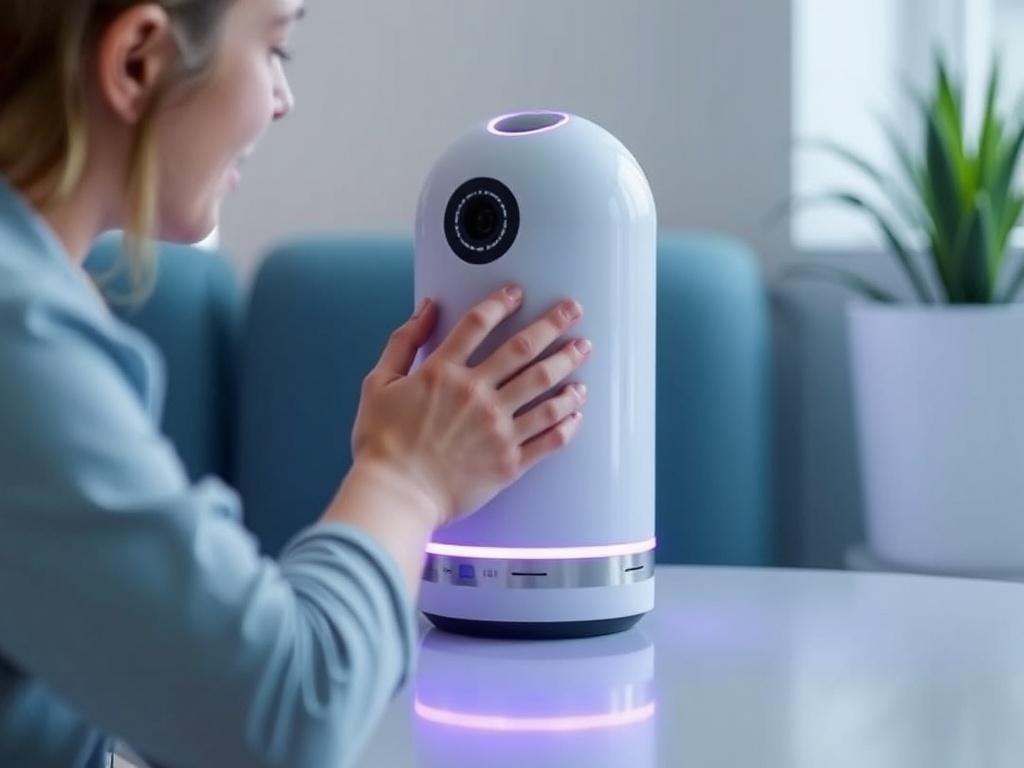
We live in a time when devices do more thinking for us, quietly smoothing out daily friction. From the lamp that learns your bedtime to the app that routes you past traffic jams, a growing suite of innovations is shifting chores and decisions off our plates. This article highlights 18 smart technologies that are making life easier, grouping them so you can see how they fit into home life, health, work, travel, and safety. Read on and you might spot one or two gadgets you already rely on — or decide to add to your most-used toolbox.
Smart home essentials
Smart speakers and voice assistants are the gateway for most smart home setups; they answer questions, set timers, and act as hubs for other devices. A simple voice command can dim lights, start a playlist, or read your messages while you cook, and integration keeps expanding into third-party services. In my apartment, a smart speaker has become the kitchen’s unofficial sous-chef—timers, shopping lists, and quick conversions all handled without washing a single dish.
Smart thermostats and lighting save time and energy by adapting to routines and occupancy patterns instead of relying on manual adjustments. Smart locks and video doorbells add convenience and a layer of remote control: grant a delivery person temporary access, check a visitor from your phone, or lock up without hunting for keys. Robot vacuums round out the group, handling daily floor maintenance on a schedule so you don’t have to think about sweeping more than once a week.
Health and personal technology
Wearable fitness trackers and smartwatches have moved beyond step counts to monitor heart rate variability, sleep stages, and guided breathing—helpful when you want data without trips to a clinic. These devices nudge you toward healthier habits and let you share meaningful metrics with healthcare providers if needed. A smart scale and connected app can track body composition trends over months, turning a single weigh-in into a story about progress rather than a headline number.
Telemedicine platforms and remote monitoring devices have reshaped access to care, letting patients consult doctors via video and transmit vitals from home. Smart sleep tech—mattress sensors, smart pillows, and sound machines that adapt to light snoring—helps optimize rest without prescription sleep studies for most people. Together, these tools reduce friction in routine health management and make staying consistent much simpler.
Work and productivity tools
Virtual meeting tools with real-time transcription and AI note-taking save hours by capturing action items and eliminating manual summaries. Smart calendars that propose optimal meeting times based on priorities and travel help teams keep focus without endless back-and-forth. I rely on calendar suggestions that group similar tasks, which turns blocked time into uninterrupted work rather than a mosaic of urgent distractions.
Project-management platforms now embed automation, status predictions, and integrations that move repetitive tasks off your to-do list. Smart email assistants triage messages, draft replies, and surface critical threads so you spend less time firefighting. These productivity tools behave like a well-trained assistant that remembers preferences, nudges deadlines, and removes low-value admin work from your day.
Mobility and smarter commuting
Electric vehicles and connected car systems reduce the hands-on burden of maintenance with over-the-air updates and predictive alerts that tell you about needed service before a problem becomes a breakdown. Navigation apps use live traffic data, incident reports, and machine learning to route you more efficiently than static maps. Ride-hailing and multimodal transit apps combine options—scooters, bikes, buses—into one booking flow and often give the fastest or cheapest route with a single tap.
Shared micromobility services and bike-share programs with app integrations shorten first- and last-mile trips, reducing reliance on car ownership for short errands. Fleet data helps cities manage congestion and safety better, which trickles down to smoother commutes for everyone. For frequent travelers, smart luggage and tracking tags offer peace of mind and fewer airport headaches.
Safety, environment, and kitchen helpers
Smart smoke and carbon monoxide detectors provide alerts to phones and can tell you exactly where a problem started, which matters in a multi-room home. Smart irrigation controllers use local weather forecasts and soil sensors to water plants only when needed, saving water and keeping gardens healthier without guesswork. In the kitchen, connected appliances like smart refrigerators and ovens can suggest recipes based on what’s inside, preheat remotely, and track energy use over time.
Smart home energy monitors and programmable circuits offer insight into where electricity is being consumed and allow scheduling of heavy loads during off-peak hours. This not only lowers bills but reduces strain on the grid during hot summer days. As devices gain intelligence, they reduce mental load: fewer little decisions, more reliable systems, and a home that adapts to how you actually live.
Quick reference: the 18 technologies
Here’s a concise list of the technologies discussed so you can scan and decide what to try next.
- Smart speakers and voice assistants
- Smart thermostats
- Smart locks and video doorbells
- Smart lighting
- Robot vacuums
- Wearable fitness trackers
- Smart scales
- Telemedicine platforms
- Smart sleep devices
- AI meeting transcription and note-taking
- Smart calendars
- Automated project-management tools
- Connected electric vehicles
- Navigation and routing apps
- Shared micromobility platforms
- Smart smoke and CO detectors
- Smart irrigation systems
- Connected kitchen appliances
Smart technology is not about flashiness; it’s about small, reliable conveniences that stack up into real time savings and less mental clutter. Pick one area—home comfort, health, work, or travel—and try one device that promises a meaningful reduction in friction. Over time, these tools knit together into systems that feel less like gadgets and more like unobtrusive helpers that let you get on with what matters.
