
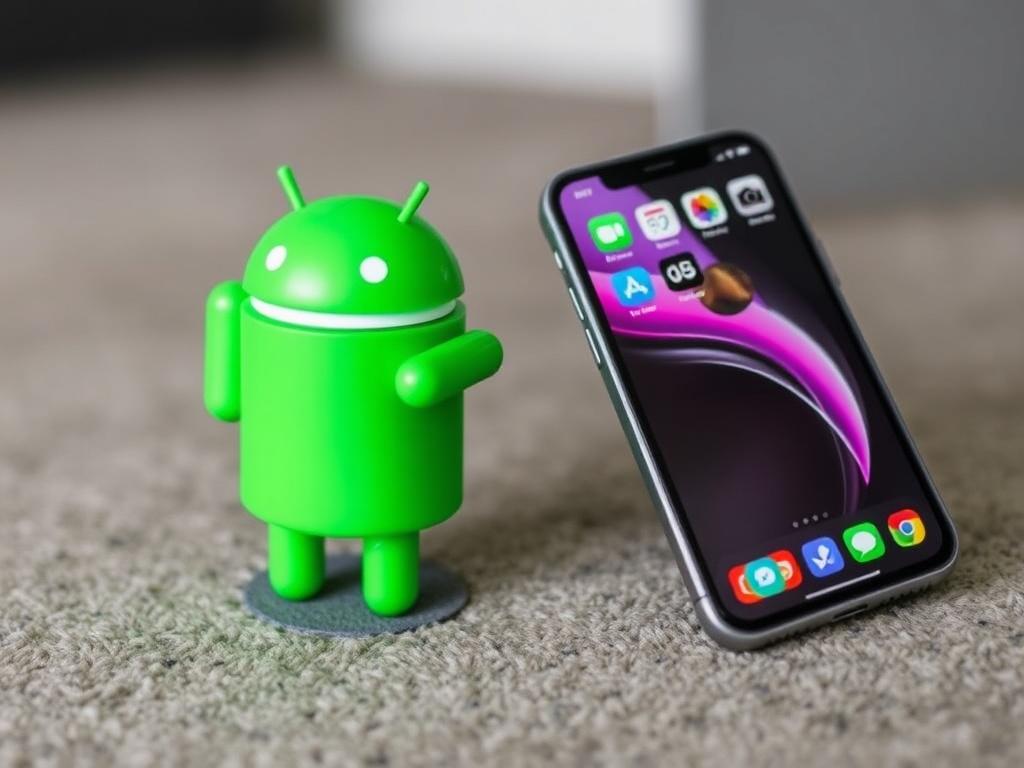
When people ask “Android vs iPhone in 2026: Which Mobile Platform Is Better Now?” they usually expect a decisive winner. The reality is messier: both sides have advanced in ways that matter differently depending on how you use a phone. This article walks through the practical differences—performance, privacy, ecosystem, longevity—and helps you match the platform to your priorities.
market snapshot: where both platforms stand
Android remains the more diverse ecosystem in 2026, powering everything from budget handsets to modular foldables and premium flagships. Manufacturers like Samsung, Google, and a growing number of regional brands keep pushing hardware variety and unconventional form factors, which means you can find a phone tailored to almost any need or budget.
iPhone continues to anchor Apple’s tightly integrated ecosystem, with a smaller lineup but heavy emphasis on continuity across devices and services. iOS updates reach all supported models at once, and Apple’s control over hardware and software still delivers a polished, consistent experience that many users find reassuring.
hardware and performance: chips, displays, cameras
Silicon has become the battleground. Apple’s custom chips maintain a lead in single-threaded efficiency and sustained performance per watt, which shows up in fluid animations and battery life under heavy loads. On the other hand, Android flagships have closed the gap with multi-core performance and innovative cooling systems, often offering more RAM and higher refresh-rate displays for multitasking and gaming.
Cameras are no longer won by megapixel counts alone; computational photography and sensor tuning matter most. iPhones still excel at consistent color rendering and video processing, while Android phones often offer more versatility—periscope zooms, higher-res sensors, and advanced night modes. If mobile photography is crucial, consider whether you prioritize natural tones and video or flexible optics and manual controls.
software, updates, and privacy
Software strategy separates the two platforms: Apple controls its stack end-to-end, so updates, privacy features, and new APIs roll out to compatible devices simultaneously. That yields predictable support and a relatively small, curated set of APIs for developers, which can improve app reliability and system security.
Android’s strength is customization and choice, and Google’s recent efforts have improved update cadences and security patches across more devices. Still, variability remains—some manufacturers now promise multi-year OS upgrades, but you must check models individually. Privacy tools have improved on both platforms; Apple’s privacy labels and on-device processing contrast with Android’s developer-facing permissions and sandboxing options.
ecosystem and services: more than the phone
Your broader device ecosystem often dictates which platform fits best. If you use Macs, Apple Watches, iPads, and an Apple TV, the iPhone integrates seamlessly—handoff, universal clipboard, and Continuity Camera save time in real workflows. For professionals tied to Google Workspace, Chromebooks, or mixed-device setups, Android’s interoperability and cross-platform flexibility feel more natural.
Services matter too. Apple leans on hardware-software-service ties: iCloud, Apple Fitness+, and secure enclave features are part of the package. Android users benefit from a wider choice of apps and often deeper integration with cloud services from Google and third parties, but you trade some central control for that freedom.
apps, gaming, and content
App quality on both platforms is high, but distribution models differ. The App Store remains a curated environment with strict review policies, which can mean higher-quality or more trustworthy storefront experiences. Google Play and alternative Android stores offer wider distribution and often better deals for developers and consumers, which can lead to more experimental and region-specific apps.
For gaming, Android devices frequently offer higher refresh rates, variable performance profiles, and support for streaming game services. iPhones keep a strong lead in exclusive titles optimized for Apple’s hardware and in-game performance consistency. If mobile gaming is a priority, weigh device cooling, display specs, and controller support rather than brand alone.
| Area | Android | iPhone |
|---|---|---|
| Customization | High — widgets, launchers, ROMs | Limited — focused on simplicity |
| Software updates | Variable — improving for many brands | Consistent — long-term guaranteed updates |
| Price range | Broad — budget to ultra-premium | Premium-focused with occasional SE budget options |
| Typical camera approach | Hardware + computational variety | Computational consistency and video stronghold |
battery, repairability, and long-term value
Battery life is still a practical differentiator. Efficiency gains from chips and adaptive refresh displays benefit both camps, but Android devices often offer larger batteries and faster wired charging. Apple continues to close the gap with better power management and optimized wireless charging ecosystems.
Repairability and longevity affect total cost of ownership. Right-to-repair movements have nudged manufacturers toward easier parts access, but iPhones typically retain higher resale value. If you keep a phone for several years, consider software update policies, battery replacement costs, and resale markets when calculating value.
which should you choose?
Choose Android if you value hardware variety, customization, and a wider price spectrum. I’ve owned both platforms: a Pixel for experimental features and a recent iPhone for daily reliability. The Pixel let me test novel camera modes and foldable prototypes; the iPhone simply worked seamlessly with my Mac and watch when I needed reliable performance for client work.
Choose iPhone if you prefer a cohesive ecosystem, predictable updates, and consistent app performance. For many people, that predictability reduces friction—things like message continuity, secure backups, and device handoff feel small until you rely on them every day. Both platforms are excellent in 2026; the better one is the one that fits your workflow, budget, and patience for tinkering.
