
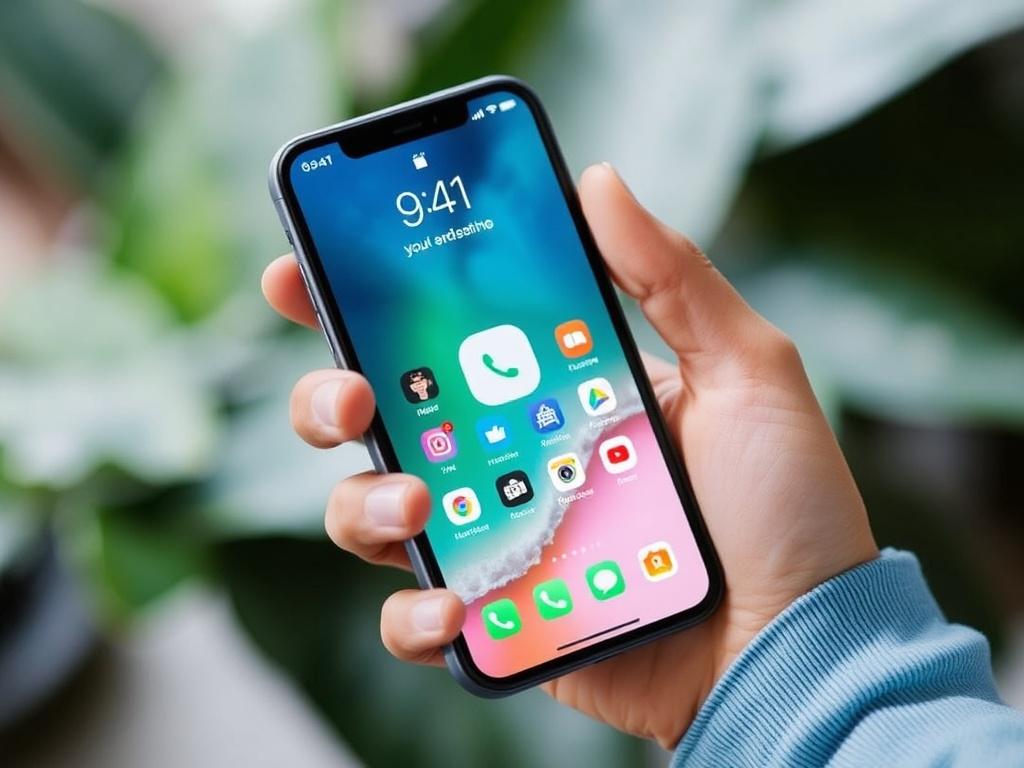
New device, new habits: every year brings a fresh crop of apps that reshape how we work, create, and unwind. In 2026 the bar is higher—apps now combine on-device AI, mixed reality, privacy-first design, and seamless hardware integration. Below I walk through the ten apps that have become default installs this year and explain why they matter, based on trends I’ve watched closely and apps I actually use daily.
Why these apps matter right now
Two forces are driving downloads in 2026: smarter mobile AI and tighter integration with wearables and AR headsets. Users expect assistants that can help end-to-end—drafting messages, editing photos, summarizing long emails—and developers deliver that with models tuned for phones and private, local processing.
At the same time, privacy and interoperability matter more than splashy features. People are choosing apps that respect data boundaries, sync cleanly across devices, and reduce app fatigue by consolidating multiple functions into one polished experience.
Quick reference
Here’s a compact snapshot for readers who want to scan names before diving in. The short table lists each app and the primary reason people are installing it in 2026.
| App | Why it’s popular |
|---|---|
| ChatGPT (OpenAI) | Conversational AI assistant |
| Runway | On-device generative video & image tools |
| TikTok | Short-form video with creator monetization |
| Snapchat | AR social and wearables integration |
| Apple Health | Holistic health + on-device analytics |
| Signal | Privacy-first messaging |
| Notion | AI-enhanced productivity hub |
| Cash App | Fast payments and micro-investing |
| Google Home | Unified smart home control |
| Calm | Mindfulness with immersive content |
The apps reshaping phones this year
ChatGPT (OpenAI)
ChatGPT has evolved from a chat window into a pocket assistant that handles research, code snippets, and creative drafts in seconds. The mobile client now supports voice, local context, and tight privacy controls so it can suggest personalized outputs without sending everything to the cloud.
I use it daily to clean up drafts and brainstorm titles while commuting; it saves time and often gives a spark I wouldn’t have reached alone. For many people, that immediate productivity boost is reason enough to install it first after a device refresh.
Runway
Runway’s mobile tools bring generative photo and short-video editing to phones, with models optimized to run partly on-device. Creators love the ability to replace backgrounds, generate motion, or create short clips from text prompts without a desktop workstation.
Because it reduces iteration time, Runway is popular among independent creators and small agencies. I’ve tested quick edits on my phone and been surprised how often the results needed only minor tweaks before publishing.
TikTok
TikTok remains the go-to for short-form discovery, and its 2026 updates emphasize creator earning tools, richer AR effects, and algorithm transparency. Brands and individuals still rely on its rapid virality and easy editing toolset built into the app.
Despite competition, the network effect keeps TikTok central: audiences follow where creators are active, and TikTok’s feed continually adapts to new content formats. For casual scrollers and serious creators alike, it’s a must-have.
Snapchat
Snapchat’s focus on AR and wearable integration has kept it firmly in the mainstream. Snap Maps and AR Lenses now tie into smart glasses and phone cameras, making location-aware filters and shared AR experiences effortless.
Its ephemeral messaging and creativity-focused tools make it less about polished feeds and more about real-time expression. That makes Snapchat especially popular with younger users and anyone who enjoys playful communication.
Apple Health
Apple Health continues to expand as the central hub for biometric data, sleep analysis, and activity coaching, with more on-device analytics for privacy. New integrations pull data from third-party sensors and deliver concise, actionable summaries on your wrist and phone.
For people who wear health devices or use medical sensors, centralizing that information simplifies decisions and doctor conversations. I’ve seen it turn vague concerns into clear next steps during checkups.
Signal
Signal’s minimalist, secure messaging remains attractive as users grow skeptical of broad data collection. It emphasizes end-to-end encryption, minimal metadata, and simple UX without ad tracking.
More groups and professionals prefer Signal when privacy is non-negotiable, and its growing feature set—disappearing messages, encrypted calls, and file sharing—keeps it competitive. That combination explains steady adoption in 2026.
Notion
Notion has become a unified workspace with AI assistants that generate notes, manage tasks, and sync knowledge across teams. Its templates and database views are now augmented by AI that can draft project plans and summarize meetings on demand.
For freelancers and small teams, Notion replaces a stack of separate apps, reducing friction and context switching. I rely on it to collect ideas and convert meeting notes into follow-up tasks quickly.
Cash App
Cash App continues to lead in instant person-to-person payments while adding micro-investing and simple banking features. Its frictionless onboarding and fast transfers keep it popular for everyday money moves.
New tools for automated savings and fractional investing attract younger users who prefer managing small portfolios through their phones. That accessibility helps make it a default finance app for many households.
Google Home
Google Home is the hub for multi-brand smart homes, prioritizing routines, local voice control, and tighter privacy. It now features proactive suggestions and easier cross-device automations that just work without deep setup.
People installing it want one place to control lights, thermostats, and AV systems, and newer integrations with cameras and door locks add safety conveniences. I often recommend it for households with mixed-device ecosystems.
Calm
Calm and other mindfulness apps have matured into immersive experiences with spatial audio, short guided sessions, and sleep aids tailored to biometric feedback. They address the growing desire for quick mental resets throughout a busy day.
Because mental health tools must be approachable, Calm’s short-session model works well for beginners and veterans alike. Users report better sleep and lower stress when the app becomes part of a nightly routine.
Download patterns in 2026 reflect utility and trust: apps that deliver real help, protect privacy, and play well with devices rise to the top. Install a couple that fit how you live and work, and let them simplify the noisy parts of daily life.
